Cookie: A Font That Serves Up Sweetness and Style
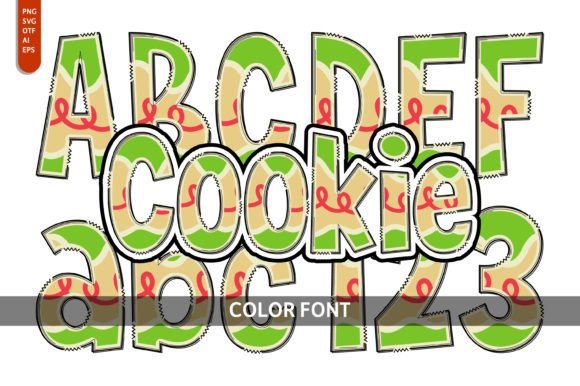
There’s a certain magic in handwritten letters—the kind that feels personal, warm, and a little bit playful. That’s the essence captured by the Cookie typeface. It’s not just another script font; it’s a premium font designed to inject personality and approachability into your projects. Think of it as the digital equivalent of a friendly, handwritten note from someone you trust. Its rounded, flowing characters have a natural bounce and rhythm, making it feel both casual and carefully crafted. This isn’t a stiff, formal script. It’s a handwritten font with a modern, clean aesthetic that avoids looking messy or overly casual, striking a perfect balance for professional yet personal applications.
Where Cookie Truly Shines: Applications and Use Cases
The true test of any creative font is where you can actually use it. Cookie excels in contexts where you want to convey warmth, creativity, and a human touch. Its playful and artistic feel makes it a natural fit for a wide array of projects.
In brand identity and logo design, Cookie can be a secret weapon. It’s ideal for brands targeting families, artisans, bakeries, boutique shops, or lifestyle products. Imagine it on a logo for a local coffee shop, a handmade jewelry line, or a children’s clothing brand. It instantly communicates friendliness and authenticity. However, a key piece of practical advice: always test it at the size it will be used most. A logo needs to remain legible on a business card, a website header, and a storefront sign.
For editorial design and publishing, Cookie finds a perfect home in children's books, chapter titles, pull quotes, and magazine layouts aimed at a creative or parenting audience. Its readability and engaging character make it excellent for drawing young readers in. Beyond books, think of invitations, greeting cards, and event posters. It adds a festive, personal touch that generic fonts can’t match. In the realm of packaging design, it can make product labels for gourmet foods, cosmetics, or craft supplies feel more artisanal and high-quality.
Digital spaces are another stronghold. Cookie works wonderfully for web design headers, blog post titles, and call-to-action buttons where you want to stand out with personality. On social media graphics, it can create eye-catching quotes, announcements, and stories that feel personal and shareable. It’s a fantastic tool for entrepreneurs and content creators looking to build a recognizable and relatable visual voice online.
Making It Work: Practical Guidance for Designers and Creators
Choosing the right font is just the first step. Using it effectively is what sets a good design apart. Here’s how to get the most out of Cookie.
Evaluating Project Fit: Before you commit, ask yourself: does this project need a human touch? If you’re designing a corporate financial report, Cookie is likely the wrong choice. But if you’re creating a thank-you card, a workshop flyer, or a brand for a freelance photographer, it’s a strong contender. It’s a display font at its core, best used for headlines, logos, and short bursts of text rather than long paragraphs.
Mastering Font Pairing: The strength of a script font like Cookie is often revealed by what you pair it with. Because of its decorative nature, it needs a clean, stable partner. Pair it with a simple sans serif font like Open Sans, Lato, or Montserrat for body text. This creates a clear visual hierarchy—Cookie grabs attention for the headline, and the sans serif ensures the supporting text is effortlessly readable. You could also pair it with a sturdy serif font for a more classic, yet still approachable, feel. Always test your pairings in context to see how they interact on the page or screen.
Considering Readability and Hierarchy: While Cookie is designed for clarity, its handwritten nature means you should be mindful of size and color contrast. Use it at a larger point size for headlines. Avoid setting entire paragraphs in it, as the connected letterforms can become tiring to read over many lines. Use it to highlight key words or phrases. In your layout, let it be the star of the show for specific elements, supporting it with more neutral typography elsewhere.
Understanding Your License: As a commercial font, Cookie comes with a license that dictates how you can use it. Always review the license details before purchasing. Ensure it covers your intended use, whether for a client’s logo design, products for sale, or social media graphics. This is a non-negotiable step for any professional or business owner to ensure your design assets are fully cleared for commercial use.
Ultimately, Cookie is more than just a font; it’s a tool for storytelling. It helps brands and creators speak in a voice that is friendly, engaging, and unmistakably human. By understanding its personality and applying it thoughtfully, you can transform ordinary designs into memorable experiences that resonate with your audience.