Wavy Line: Your Go-To Font for a Playful Vibe
When you’re working on a project that needs to feel friendly, creative, or a little whimsical, the typography you choose is everything. It sets the tone before a single word is read. Enter Wavy Line, a typeface that embodies a sense of playful energy and artistic flair. This isn’t your standard corporate font; it’s a design asset with personality, built to make your work stand out with a warm and engaging touch.
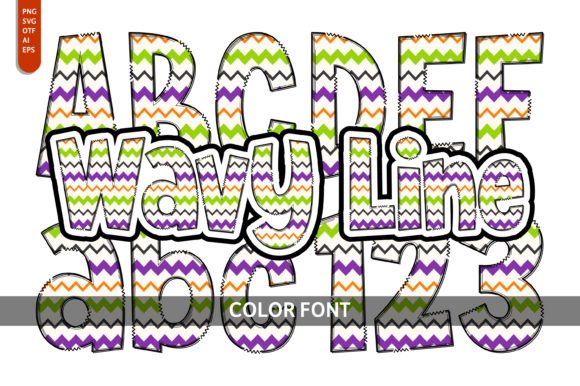
Visually, Wavy Line is a display font characterized by its fluid, hand-drawn letterforms. Each character has a gentle, undulating quality, as if sketched with a confident, relaxed hand. It strikes a wonderful balance—it’s clearly a handwritten font, but its legibility is surprisingly strong, making it far more versatile than many script styles. The overall appeal lies in its authenticity. It feels personal and crafted, avoiding the sterile look of more geometric sans serif fonts while offering more character than a traditional serif font. It’s a creative font that injects immediate warmth into any layout.
Where Wavy Line Truly Shines
The strength of a font like Wavy Line lies in its application. It’s a specialist, not a generalist, and knowing where to deploy it is key to effective design. Its playful nature makes it a natural fit for projects targeting audiences that appreciate creativity, family, and fun.
In brand identity, consider it for businesses in the creative, artisanal, or family-oriented space. A boutique bakery, a children’s boutique, a freelance illustrator, or a craft workshop could use Wavy Line in their logo design to instantly communicate approachability and imagination. It tells customers, “We’re creative, we’re friendly, and we don’t take ourselves too seriously.”
For publishing and editorial design, this typeface is a gem. It’s perfect for children’s books, where its whimsical style captures young imaginations and makes reading an engaging experience. Think chapter titles, cover designs, or even pull quotes in a lifestyle magazine. It can add a delightful pop of personality to blog headers, especially for creators in the DIY, recipe, or parenting niches.
In packaging design, Wavy Line can elevate a product on the shelf. Imagine it on labels for homemade jams, artisanal soaps, or specialty coffee. It suggests a handcrafted, small-batch quality that appeals to consumers looking for authenticity. For social media graphics, it’s a powerful tool for creating eye-catching quotes, promotional announcements, or story highlights that feel personal and shareable, helping to boost engagement.
Making It Work: Practical Guidance for Using Wavy Line
Choosing a premium font like Wavy Line is just the first step. Using it effectively requires a bit of strategy to ensure it enhances your project rather than overwhelming it.
Evaluating Project Fit: Always start by considering your audience and message. Is your project meant to be serious, authoritative, or highly technical? If so, Wavy Line is likely not the right choice. Its personality is strong and should align with the project’s core tone. It’s ideal for invitations, greeting cards, posters, and any context where a human, artistic touch is desired.
Font Pairing is Critical: A display font like this rarely works well alone for body text. The key to professional modern typography is creating contrast and hierarchy. Pair Wavy Line with a clean, neutral sans serif font or a simple, readable serif font for paragraphs and longer text. Let Wavy Line command attention in headlines, logos, and short, impactful statements, while its partner handles the heavy lifting of readability.
Readability Considerations: While Wavy Line is legible for a display font, it’s still best used at larger sizes. Avoid setting long sentences or small paragraphs in this typeface, as the detailed letterforms can become difficult to parse. Always test your designs at the intended viewing size—whether on a mobile screen or a printed poster—to ensure clarity.
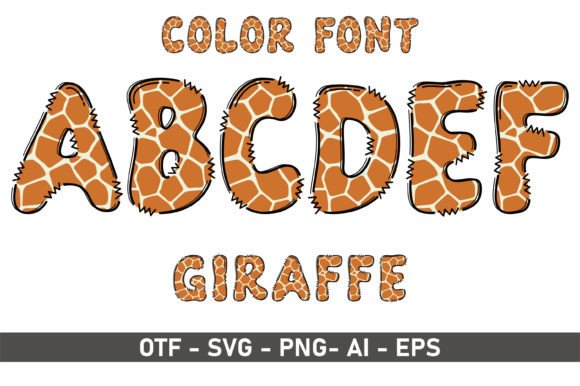
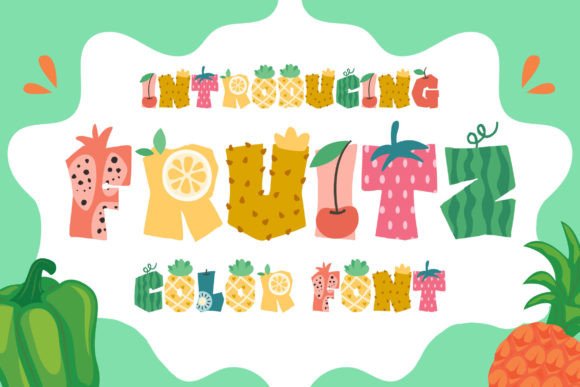
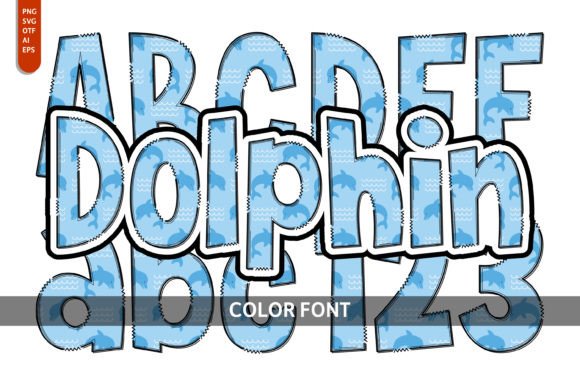
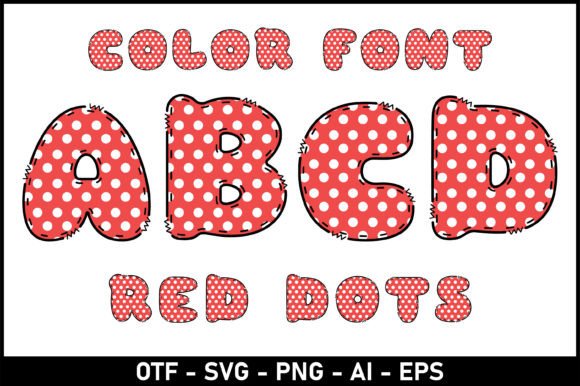
Understanding the Format: This is a crucial technical note. Wavy Line is a color font (OpenType-SVG). This means the vibrant, multi-colored appearance is built directly into the font file, creating a stunning effect. It’s compatible with professional design software like Adobe Photoshop, Illustrator, and Inkscape. However, it is not compatible with cutting machines like Cricut that use single-color vector outlines. For crafters, this is a vital consideration. Always check the font format (OTF/TTF vs. color SVG) to ensure it meets your project’s technical requirements.
Licensing for Commercial Use: If you’re a small business owner, entrepreneur, or designer working for clients, confirming the font’s licensing is non-negotiable. A quality commercial font will come with a clear license that outlines permitted uses, such as in logos, merchandise, and digital products. Review this carefully to ensure your projects are fully compliant.
Ultimately, Wavy Line is more than just a typeface; it’s a tool for storytelling. It’s for the designer who wants to inject joy into a layout, the marketer aiming to create relatable social content, and the publisher crafting a world for young readers. By understanding its personality and applying it thoughtfully, you can leverage this creative font to build stronger connections with your audience and make your work genuinely memorable.