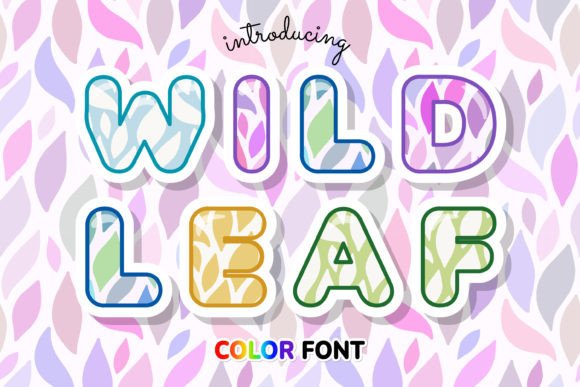
Wild Leaf: Elevate Your Designs with This Petal-Inspired Font
In the vast sea of typography, finding a font that feels both unique and immediately usable can be a challenge. Wild Leaf emerges as a compelling solution, offering a fresh take on organic design. This creative font draws direct inspiration from the intricate, flowing patterns found in nature, specifically echoing the delicate beauty of petals and foliage. It’s a premium font that doesn’t just display text; it infuses it with a distinct, artistic personality. If your project calls for a touch of elegance, whimsy, or botanical charm, Wild Leaf is a typeface worth exploring.
A Visual Style Rooted in Nature
Wild Leaf is best described as a decorative display font with a strong thematic core. Its letterforms are crafted with soft curves and subtle details that mimic the veins and shapes of leaves, creating a cohesive and visually engaging pattern. The overall personality is friendly, artistic, and slightly playful, making it far from a standard, rigid serif font or utilitarian sans serif font. It occupies a space similar to an artistic script font or a detailed handwritten font, but with its own unique botanical flair. The style leans into modern typography trends that favor expressive, character-driven typeface choices over purely functional ones.
The appeal of this creative font lies in its ability to convey emotion and theme instantly. It’s perfect for projects where the visual story is as important as the message itself. The design is detailed enough to be a focal point but crafted with enough balance to avoid becoming overwhelming when used appropriately.
Where Wild Leaf Truly Shines: Practical Applications
Understanding where a font excels is key to using it effectively. Wild Leaf is a specialized display font, meaning it’s designed for impact at larger sizes, such as in headings, logos, or feature text. It is not intended for body copy or long-form reading, where its intricate details would hinder readability.
- Branding & Logo Design: This is a prime use case. For businesses in the wellness, eco-friendly, botanical, beauty, or artisanal food spaces, Wild Leaf can form the cornerstone of a memorable brand identity. It instantly communicates values of naturalness, care, and creativity.
- Marketing & Social Media Graphics: Create scroll-stopping headers for blog posts, eye-catching titles for Instagram stories, or elegant call-to-action text in digital ads. Its unique style boosts audience engagement by making your content stand out.
- Packaging & Product Design: Imagine this font on product labels for handmade soaps, herbal teas, or gourmet jams. It adds a layer of perceived quality and artisanal craft that can influence purchasing decisions.
- Editorial & Publishing: In magazines, book covers, or zines, Wild Leaf can be used for chapter titles, pull quotes, or section dividers, adding a sophisticated decorative element to your editorial design.
- Personal & DIY Projects: For crafters, it’s a gem. Use it for wedding invitations, greeting cards, scrapbooking, or custom artwork. The font pairing possibilities with simpler design assets are vast.
Making It Work: Guidance for Designers and Creators
Choosing a font is just the first step. Using it well requires a bit of strategy. Here’s practical advice for integrating Wild Leaf into your workflow.
Evaluate Project Fit: Before downloading, ask: Does the project’s theme align with a natural, artistic style? If you’re designing a legal document or a corporate report, this font is likely the wrong choice. If you’re creating a yoga studio’s menu or a floral workshop flyer, it’s a perfect match.
Master the Font Pairing: A decorative font like Wild Leaf needs a partner. Pair it with a clean, neutral sans serif font (like Montserrat or Lato) for body text or supporting information. This creates a clear visual hierarchy, where Wild Leaf captures attention for key elements, and the secondary font ensures everything else is easy to read. Avoid pairing it with other ornate fonts, as this leads to visual clutter.
Consider Readability and Hierarchy: Use Wild Leaf sparingly. It’s most effective for short bursts of text—a headline, a logo, a single word. Set it in a larger size where its details are clear. For any text longer than a sentence, switch to your paired, more readable font. This practice is fundamental to good modern typography.
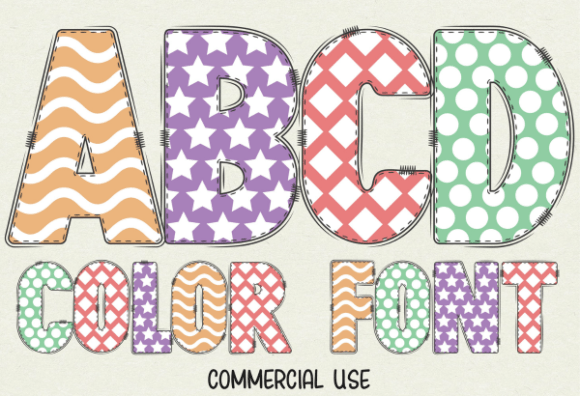
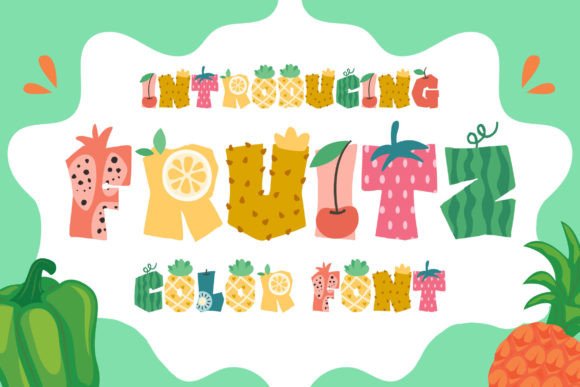
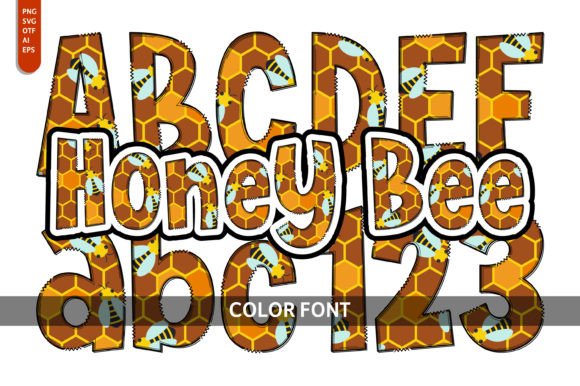
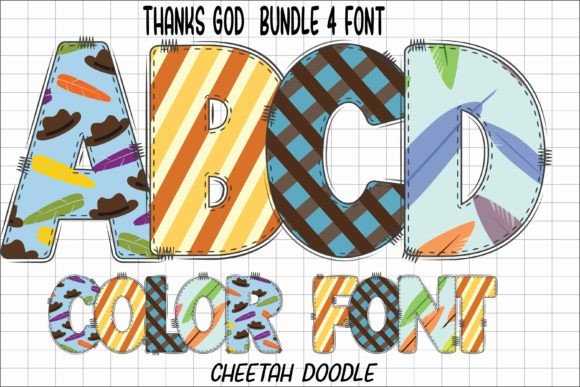
Check the Technical Specs: This is crucial. Wild Leaf is a color font in the Opentype-SVG format. This means it contains built-in color information, allowing for multi-tonal designs in a single glyph. It is compatible with professional design software like Adobe Photoshop and Illustrator, as well as Silhouette and Inkscape. However, the OTF/TTF files are not compatible with Cricut machines. Always verify compatibility with your tools before starting a project. For detailed setup instructions, consulting a resource like the Ultimate Font Guide is a smart move.
Review Licensing for Commercial Use: If you plan to use Wild Leaf for client work, merchandise, or any commercial project, ensure you have the appropriate commercial font license. Most premium fonts come with clear licensing terms that allow for broad use, but it’s your responsibility to understand and adhere to them.
Ultimately, Wild Leaf is more than just a collection of glyphs; it’s a versatile design asset that can elevate the perceived professionalism and aesthetic of your work. By using it thoughtfully—where its strengths can shine and its limitations are mitigated—you can create designs that are not only beautiful but also strategically effective. It’s a tool for telling a richer visual story, one leaf-inspired letter at a time.