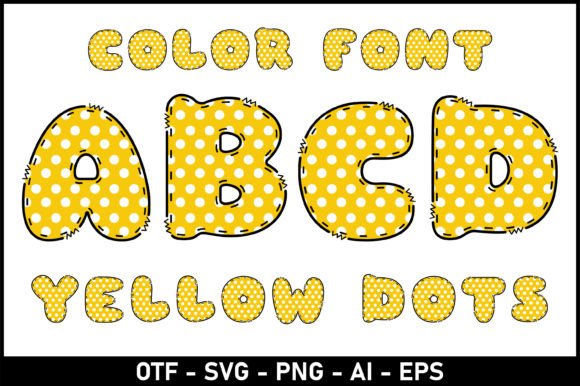
Yellow Cloth: A Playful Handwritten Font for Creative Projects
Understanding the Personality Behind the Typeface
When you first see Yellow Cloth, it doesn't look like a typical digital typeface. There’s a warmth to it, a textured quality that feels almost like it was sketched by hand on a piece of canvas. This is not a sterile, geometric sans serif font, nor is it a rigid serif font. Instead, it falls into that specific category of handwritten font designs that prioritize character and charm over strict corporate legibility. It carries a casual, artistic vibe that suggests a human touch is behind the message. For designers and brand strategists, this is a powerful psychological tool. In a world saturated with automated, sleek interfaces, a font like Yellow Cloth offers a break in the pattern. It signals that the content is approachable, creative, and less formal. It’s the typographic equivalent of a friendly smile or a relaxed conversation.
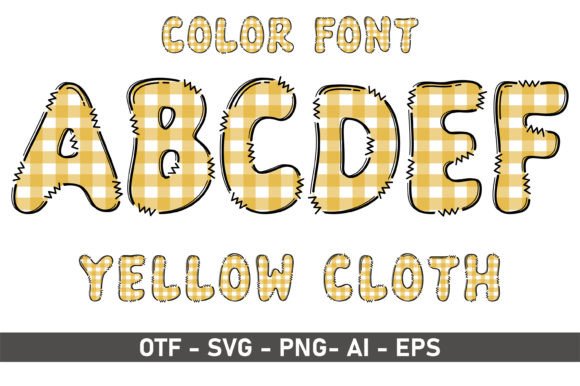
The visual structure of Yellow Cloth is distinct. It typically features slightly irregular baselines and varying stroke weights, mimicking the natural pressure of a hand moving a pen or brush. This organic quality makes it a standout premium font for those looking to inject personality into their work. It isn't trying to be perfect; it’s trying to be authentic. This authenticity is what makes it such a valuable asset for specific types of projects. While a clean sans serif font might be perfect for a legal document or a technical manual, Yellow Cloth is designed for projects where emotional connection and visual interest are the primary goals.
Strategic Applications: Where Yellow Cloth Shines
Choosing the right typeface is about context. You wouldn't use a script font on a highway billboard, and you wouldn't use a blocky sans serif on a wedding invitation. Yellow Cloth occupies a specific niche that makes it incredibly versatile for the right audience. If you are a small business owner, a content creator, or a crafter, understanding where this font excels can save you time and elevate your designs.
Children’s Education and Entertainment
The most immediate application for Yellow Cloth is in materials designed for children. The whimsical nature of the letterforms makes it engaging for young readers. In editorial design, specifically for children’s books, readability is key, but so is engagement. The playful slant and textured edges of Yellow Cloth keep the reading experience from feeling like a chore. It turns text into part of the artwork. Publishers and authors can use this typeface for headers or pull quotes to break up the monotony of standard text blocks, making the book feel more dynamic and interactive.
Greeting Cards and Invitations
For graphic designers and hobbyists working on greeting cards and invitations, the goal is to evoke an emotion immediately. Yellow Cloth works beautifully for packaging design that requires a hand-crafted aesthetic. Whether it’s a birthday card, a baby shower invite, or a boutique product label, this font adds a layer of intimacy. It suggests that the item was made with care, even if it was printed in bulk. It pairs exceptionally well with clean photography or watercolor backgrounds, allowing the text to float over the artwork without clashing.
Digital Marketing and Social Media
In the fast-scrolling world of social media, stopping power is everything. Yellow Cloth serves as an excellent display font for Instagram graphics, Pinterest pins, and TikTok overlays. Because it is a creative font, it grabs attention faster than standard web-safe fonts. Marketers can use it for short, punchy headlines or call-to-action phrases. However, it is important to note its role in the visual hierarchy. It should be used for emphasis, not for body text. Using it for a headline like "Summer Sale" or "New Arrival" draws the eye, while a simpler sans serif handles the smaller details.
Technical Realities: Compatibility and Usage
As a design professional or crafter, you know that a beautiful font is useless if it doesn't work with your tools. Yellow Cloth is a robust design asset, but it comes with specific technical nuances that you need to understand before purchasing or implementing it. This is particularly true if you are working with cutting machines or specific design software.
The Cricut and Silhouette Divide
One of the most critical distinctions with Yellow Cloth is its compatibility with cutting machines. If you are a crafter using a Cricut machine, you must pay close attention to the file formats. The black version of Yellow Cloth is fully compatible with Cricut Design Space. This is perfect for vinyl decals, iron-on transfers, and monochromatic paper crafts.
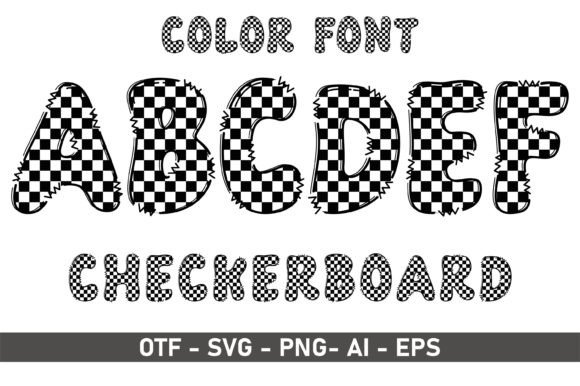
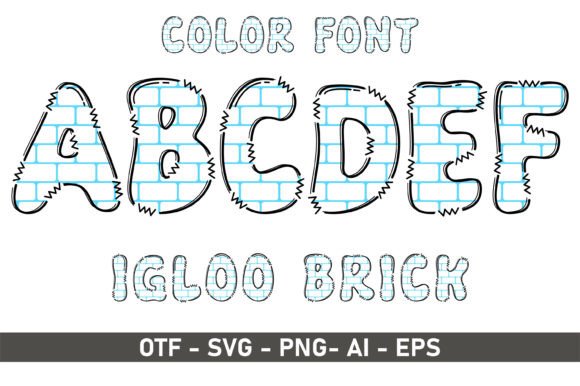
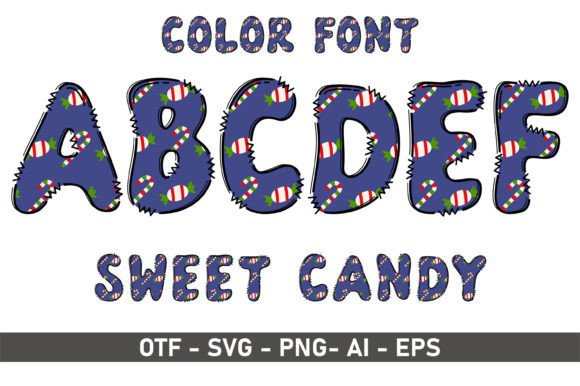
However, the color version of the font behaves differently. While it opens up possibilities for multi-colored designs, it is not compatible with Cricut. The color files are designed for software environments that can handle layered or color-encoded glyphs. This means you can use the color version in PhotoShop, Illustrator, Silhouette, and Inkscape. If you try to load the color OTF or TTF files into Cricut Design Space, you will likely encounter errors. For best results, use the black version for your cutting files and the color version for your digital web design and print layouts.
Evaluating the Font for Your Workflow
Before committing to Yellow Cloth for a large project, it is wise to test it within your specific workflow. Download the trial or check the character map to ensure it supports the languages and symbols you need. Because it is a handwritten font, some characters might have stylistic alternates or ligatures that enhance the "real" handwriting feel. Check if your software supports these OpenType features. For example, in Illustrator, you can access the Glyphs panel to swap out standard letters for more decorative versions, adding even more uniqueness to your logo design or headline.
Mastering the Pairing: Building a Cohesive System
No font is an island. Even the most charismatic display font needs support. Yellow Cloth is a high-personality typeface, which means it can easily overwhelm a design if overused. The secret to using it effectively lies in font pairing.
Balancing Whimsy with Structure
Because Yellow Cloth has a loose, organic structure, it pairs best with something structured and neutral. A clean, geometric sans serif font is often the perfect companion. The contrast between the playful handwritten style and the rigid geometry creates a pleasing tension that guides the eye. For example, you might use Yellow Cloth for the main headline and a font like Montserrat or Open Sans for the subheadings and body copy. This ensures your brand identity feels creative but still professional and readable.
Avoid pairing Yellow Cloth with other script fonts or overly decorative typefaces. Two "loud" voices in the room create noise, not harmony. If you are working on a brand identity for a bakery, a lifestyle blog, or a boutique shop, stick to a simple serif or sans serif to let the personality of Yellow Cloth do the heavy lifting without causing visual fatigue.
Commercial Considerations and Final Thoughts
For entrepreneurs and small business owners, the decision to use a specific font often comes down to licensing. Yellow Cloth is a commercial font, meaning you are paying for the legal right to use it in projects that generate revenue. This is a crucial aspect of modern typography ethics. Using free fonts for commercial logos can sometimes lead to legal headaches down the road if the license changes. Investing in a premium font like this ensures you have clear rights for your logo design, merchandise, and marketing materials.
When implementing Yellow Cloth into your brand identity, consider the longevity of the design. Trends in typography come and go, but a well-chosen font that truly represents the brand's voice can last for years. Yellow Cloth offers a timeless "hand-made" appeal that transcends fleeting digital trends. It suggests craftsmanship and care—values that resonate deeply with modern consumers.
Ultimately, Yellow Cloth is more than just a set of letters; it is a tool for storytelling. Whether you are designing a poster for a local event, crafting a label for a homemade product, or creating engaging social media graphics, this typeface provides the warmth and personality needed to connect with your audience on a human level. Just remember to manage its technical requirements, pair it wisely, and let its unique texture shine through in your next creative project.